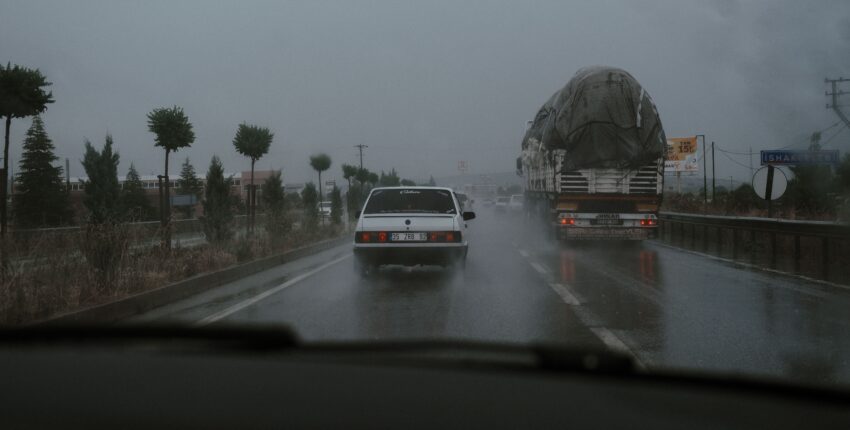
San Leandro’s wet season typically arrives in October, bringing rain, morning fog, slick pavement, and a new set of challenges for your vehicle. Your daily commute on I-880 or I-580 can become more stressful when visibility drops and stopping distances increase. Hills around San Leandro add another layer, especially when roads are wet and traction is limited.
The good news? A little preparation now can help your vehicle handle the season more safely and reliably. Use this practical checklist to review the systems that matter most before the first major storms arrive.
Start with tires: your first line of defense on wet roads
Your tires are the only part of your vehicle touching the road. When pavement is wet, worn tread has a harder time channeling water away from the contact patch, increasing the risk of slipping or hydroplaning.
Check tread depth and wear
California’s legal minimum tread depth is generally 2/32 of an inch, but that is not necessarily the best target for Bay Area rain. Tires with 4/32 of an inch or more provide a better safety margin in wet conditions.
Look for:
- Tread that is worn close to the built-in wear bars
- Uneven wear across the tire
- Cracks, bulges, or objects stuck in the tread
- Cupping or scalloped wear, which may point to a suspension or alignment problem
A quarter can provide a quick at-home check: place it into a tread groove with Washington’s head facing down. If you can see the top of his head, your tires may not have enough tread for dependable wet-weather traction. For a more precise inspection, a technician can measure each tire properly.
Set tire pressure when the tires are cold
Check your pressure before driving, preferably in the morning. Use the pressure listed on the driver’s doorjamb label or in your owner’s manual: not the maximum pressure printed on the tire sidewall.
Correct tire pressure supports:
- Better handling through standing water
- More even tread wear
- Improved braking response
- Lower risk of tire damage
If your tires are wearing unevenly or your vehicle pulls to one side, include an alignment check in your seasonal tire and maintenance inspection.
Replace worn wipers and improve visibility
Rain and fog can arrive during the same early-morning commute when you are already dealing with glare from headlights and wet pavement. Wiper blades that streak, skip, chatter, or leave untouched areas can make it difficult to see lane markings and traffic ahead.
Before the wet season:
- Replace wipers that are cracked, hardened, or leaving streaks
- Clean the blades with a damp cloth
- Wash the inside and outside of the windshield
- Fill the reservoir with proper windshield washer fluid
- Confirm the front and rear defrosters work correctly
Washer fluid is preferable to plain water because it is designed to remove road film, dust, and oily residue. A clean windshield also reduces glare when headlights reflect off rain.
For fog, use low-beam headlights rather than high beams. High beams reflect off water droplets in the air and can make it harder to see. The California Highway Patrol’s wet-weather driving guidance also recommends smooth, cautious driving when rain or fog reduces visibility.
Have your brakes inspected before stopping distances increase
Wet roads reduce available traction. Even with good tires, your vehicle may need more time and distance to stop: particularly on downhill streets or when traffic suddenly slows on I-880.
You should arrange a professional brake inspection if you notice:
- Squealing, grinding, or scraping
- A brake pedal that feels soft or sinks unusually low
- Vibration or pulsing when braking
- Pulling to one side
- A brake warning light
- A longer stopping distance than usual
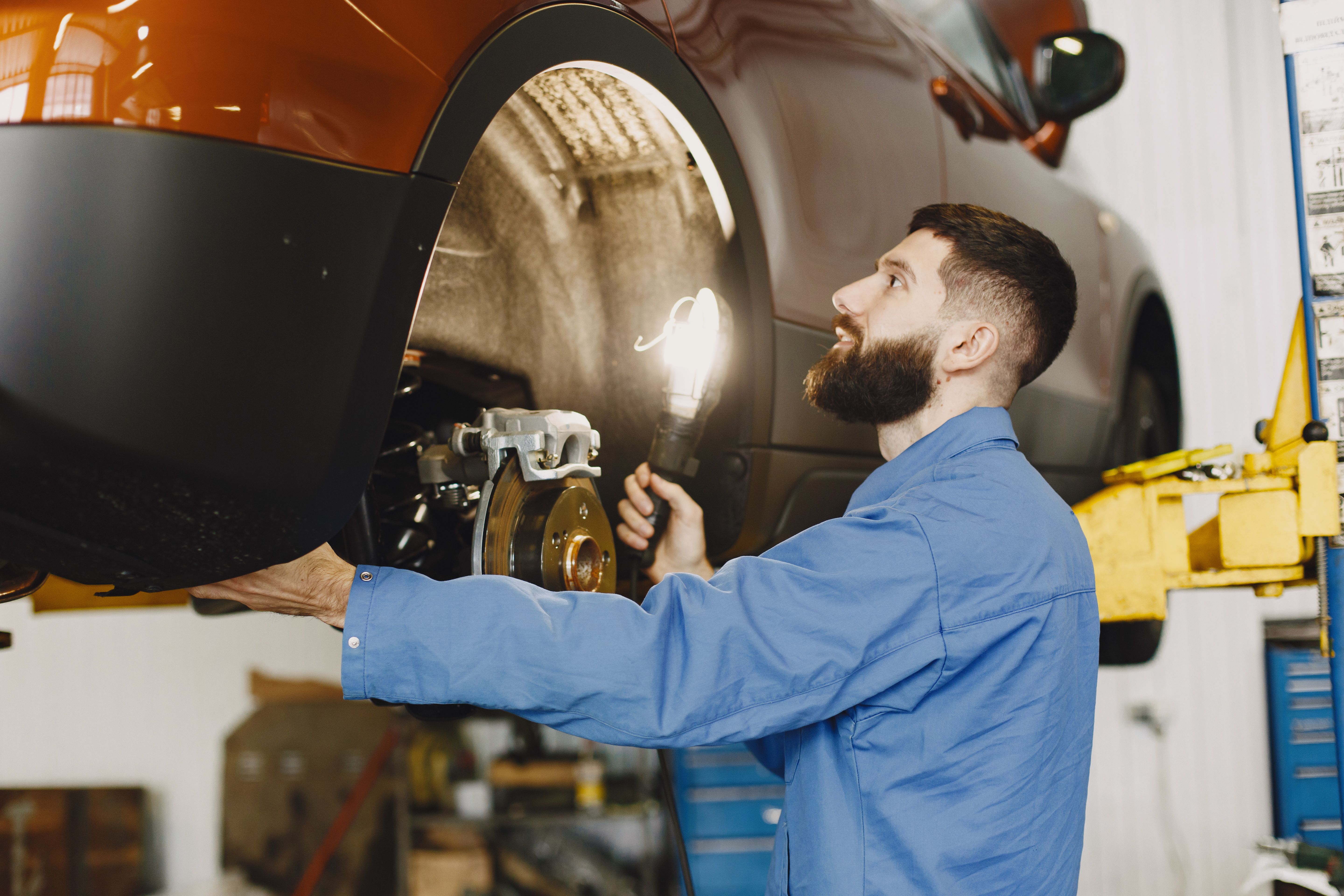
A brake inspection typically considers the condition of the pads, rotors, calipers, brake fluid, and related hardware. Brake repair is not just about eliminating noise; it is about restoring consistent stopping power when roads are slick.
As a driving habit, begin braking earlier and more gently in rain. Increase the space between you and the vehicle ahead, especially near intersections, freeway ramps, and downhill sections around San Leandro. The California Office of Traffic Safety recommends adjusting speed and following distance to match the conditions.
Check suspension and alignment before pothole season
Rain can make potholes, broken pavement, and road-edge damage harder to spot. A worn suspension can also make it more difficult for your tires to stay firmly planted on uneven or wet roads.
Pay attention to:
- Clunking over bumps
- Excessive bouncing after dips
- A vehicle that leans in turns
- Uneven tire wear
- Steering wheel vibration
- Pulling left or right
- A steering wheel that is no longer centered
Your suspension includes components such as shocks, struts, control arms, and bushings. These parts help control movement and keep the tires in contact with the road. Alignment sets the angles of the wheels so the vehicle tracks properly.
If you regularly drive between San Leandro’s flatter streets and hillier areas, a suspension repair or alignment inspection can be especially worthwhile before heavier rain exposes an existing problem.
Test the battery and electrical system
Cool, foggy mornings may not be extreme by winter standards, but they can still reveal a weak battery. Starting the engine while running headlights, the blower motor, rear defroster, and wipers places additional demand on the electrical system.
Have the battery tested if:
- The engine cranks more slowly than usual
- Interior or exterior lights appear dim
- You hear clicking during startup
- The battery is several years old
- Corrosion is visible around the terminals
A complete inspection should also include the alternator and charging system. A new battery will not solve the problem if the alternator is not replenishing its charge properly.
Check your lights at the same time. Confirm that the headlights, brake lights, turn signals, hazard lights, taillights, and license plate lights work. Clean lenses help you see and be seen through rain, spray, and fog.
Review oil, coolant, brake fluid, and washer fluid
Fluids are a simple but important part of seasonal car maintenance. Before October rain arrives, check the following:
Engine oil: Verify the level and make sure your next oil service is not overdue. Clean oil helps protect the engine during cold starts and daily stop-and-go driving.
Coolant: Check the level when the engine is cold and look for signs of leakage. Coolant protects against overheating and helps the heater produce warm air for defogging the windshield.
Brake fluid: A low level or visible leak needs attention. Brake fluid absorbs moisture over time, which is one reason a professional inspection matters.
Windshield washer fluid: Keep the reservoir full with a quality fluid that can remove road film and grime.
If any fluid is low, do not simply keep topping it off without finding out why. A leak may turn a minor maintenance issue into an unexpected breakdown.
Be extra careful during the first rain
After a long dry stretch, oil, dust, rubber residue, and grime accumulate on Bay Area roads. The first rain can mix with that buildup and create a thin, slippery film: especially at intersections, freeway on-ramps, and heavily traveled lanes.
During the first storms:
- Reduce your speed
- Avoid sudden braking, steering, or acceleration
- Leave more space between vehicles
- Avoid cruise control on wet roads
- Be cautious around standing water
- Use low beams in fog and rain
If your vehicle begins to hydroplane, ease off the accelerator, hold the steering wheel steadily, and avoid slamming on the brakes or making a sharp correction. The tires need time to regain contact with the pavement.
Your San Leandro wet-season checklist
Before the rain becomes routine, make sure you have reviewed:
- Tire tread depth, pressure, and uneven wear
- Wiper blades, windshield condition, and washer fluid
- Brake pads, rotors, fluid, and pedal feel
- Shocks, struts, steering, and wheel alignment
- Battery condition and charging performance
- Headlights, brake lights, signals, and defrosters
- Engine oil, coolant, and other essential fluids
At JC Auto Repair, our ASE certified technicians help drivers prepare for dependable year-round driving. We have served the San Leandro community since 1992, with honest recommendations, transparent pricing, and repairs backed by a 12,000-mile/12-month warranty. Our team also works with trusted brands such as Carquest and Carmax, and flexible Snap Finance options may be available for qualifying repairs, with quick approvals and no credit needed.
A seasonal inspection now can help you feel more confident on the next foggy morning, rainy I-580 commute, or slick hill in San Leandro. Schedule an appointment or contact JC Auto Repair to get your vehicle ready for the wet season.