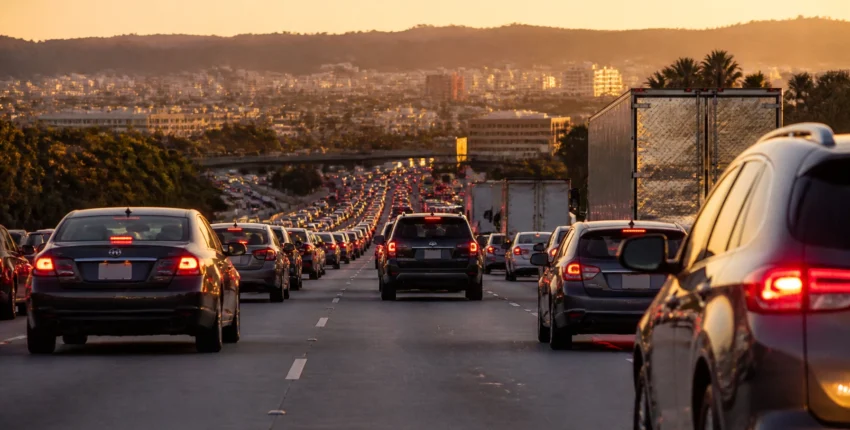
If you spend any time commuting through the East Bay, you know that the I-880: affectionately or otherwise known as the Nimitz Freeway: is a beast of its own. Between the heavy cargo trucks coming from the Port of Oakland and the thousands of commuters heading toward Silicon Valley, your vehicle takes a beating every single day.
While we often worry about our gas mileage or the state of our tires, there is one system that arguably works the hardest on this stretch of highway: your brakes. Constant stop-and-go traffic combined with high speeds and heavy loads creates a “perfect storm” for wear and tear.
If you are looking for brake repair in San Leandro, understanding how the local environment affects your car can help you stay safe and save money in the long run. Here are 10 things you need to know about driving on I-880 and what it means for your vehicle’s stopping power.
1. The Stop-and-Go Heat Cycle
The biggest enemy of your braking system is heat. Every time you press the brake pedal, your brake pads squeeze against the rotors to create friction, which stops the car. This friction generates an immense amount of heat. On a clear road, your brakes have time to cool down between uses.
However, on I-880 near San Leandro, traffic often crawls. You are likely braking every few seconds. This constant cycle doesn’t allow the heat to dissipate, which can lead to “brake fade.” When brakes get too hot, they lose their effectiveness, making your pedal feel “spongy.” Regular inspections for brake repair near San Leandro ensure that your pads haven’t become glazed or hardened from this intense heat.
2. Heavy Truck Traffic and Road Debris
The I-880 is a major artery for industrial transport. Sharing the road with massive semi-trucks means more than just being careful during lane changes; it means dealing with the debris they often leave behind. Small pebbles, metal fragments, and road grime are constantly kicked up.
If a small piece of grit gets lodged between your brake pad and the rotor, it can score the metal surface, leading to uneven wear and annoying squealing sounds. At JC Auto Repair, we often see vehicles where the hardware has been compromised by the harsh conditions of the Nimitz. Keeping your brake and suspension systems clean and well-maintained is vital for drivers in this corridor.
3. The 238/880 Interchange Stress
Anyone who has navigated the interchange where Highway 238 meets I-880 knows it’s a hotspot for sudden deceleration. As drivers merge and change lanes rapidly, you are often forced to “slam” on the brakes.
These high-torque braking events put significant stress on your calipers and brake hoses. Over time, this aggressive use can cause the rubber components in your braking system to fatigue. If you notice your car pulling to one side when you brake near the San Leandro exits, it might be time for a professional checkup.
4. Why Bay Area Heat Matters
While we don’t deal with the snow and salt of the East Coast, the East Bay can get surprisingly warm, especially during the summer months. Ambient temperatures in San Leandro can climb into the 80s and 90s, and the asphalt on I-880 gets even hotter.
When the ground temperature is high, your brakes have an even harder time shedding the heat they generate. This is why maintaining your cooling system is just as important as checking your brakes; a car that runs hot overall will struggle more with localized heat in the wheel wells.

5. Identifying the “Nimitz Squeal”
Have you ever rolled down your window while stuck in traffic near Marina Blvd and heard a high-pitched chirping? That is often the “wear indicator” on a brake pad. It’s a small metal tab designed to make noise when the pad material gets dangerously thin.
In the noisy environment of I-880, it can be easy to miss these early warning signs. However, ignoring that squeal can lead to “metal-on-metal” contact, which destroys your rotors and turns a simple pad replacement into a much more expensive brake repair.
6. The Danger of Warped Rotors
If your steering wheel shakes or vibrates when you slow down from highway speeds, you likely have warped rotors. This happens when the rotors develop “thin spots” or become uneven due to excessive heat: a common side effect of the heavy braking required on the 880.
Driving with warped rotors doesn’t just feel uncomfortable; it actually increases your stopping distance. In an emergency situation on a crowded freeway, those extra few feet can make all the difference. We specialize in diagnosing these vibrations and providing high-quality automotive repair services in San Leandro to get your ride smooth again.
7. Commuter Creep and Brake Fluid Health
When you are “creeping” along in traffic for 45 minutes, you likely keep your foot lightly on the brake pedal for extended periods. This can cause the brake fluid to overheat. Brake fluid is “hygroscopic,” meaning it absorbs moisture from the air over time.
Old, moisture-heavy fluid has a lower boiling point. If the fluid boils during your commute, you could lose braking power entirely. We recommend a brake fluid flush every two years or 20,000 miles to ensure your system remains responsive and reliable.
8. The Importance of Quality Parts
On a high-traffic road like I-880, you don’t want to rely on the cheapest possible parts. Budget brake pads often use inferior materials that wear out faster and produce more dust.
At JC Auto Repair, we believe in doing the job right the first time. We use premium parts and our work is backed by a 12,000-mile/12-month warranty. When you’re merging onto the freeway, you need to know that your equipment is up to the task.
9. Trusting Local Expertise Since 1992
San Leandro has changed a lot over the last few decades, but the need for honest, reliable mechanics hasn’t. We have been serving this community since 1992, and our ASE-certified technicians understand the specific challenges that local drivers face.
We don’t just fix cars; we build relationships. Whether you drive a domestic Ford or a luxury Lexus, we provide transparent pricing and clear communication so you never feel left in the dark about your repairs.
10. Your Pre-Commute Brake Checklist
Before you head out on your next trip down the 880, take a moment to “listen” to your car.
- Listen for noises: Is there a grind, squeak, or click?
- Feel the pedal: Is it firm, or does it sink toward the floor?
- Check the dash: Is your brake warning light or ABS light on?
- Watch for vibrations: Does the car stay steady when you slow down?
If any of these signs are present, don’t wait until you’re stuck in the middle of a traffic jam to address them.
Stay Safe on the San Leandro Commute
Driving the I-880 requires focus, patience, and a vehicle you can trust. Your brakes are your first line of defense against the unpredictability of Bay Area traffic. By staying proactive with your maintenance, you can ensure that your daily drive is as stress-free as possible.
If you’ve noticed any changes in how your car stops, or if it’s simply been a while since your last inspection, give us a call. We offer flexible financing options through Snap Finance: with quick approvals and no credit needed: to make sure you can get back on the road safely without breaking the bank.
Ready for a checkup? Contact us today to schedule your appointment and experience the JC Auto Repair difference.